
























Resveratrol is best-known as a beneficial compound found in red wine, and this antioxidant has recently added another benefit to its list: it may reduce depression and anxiety.
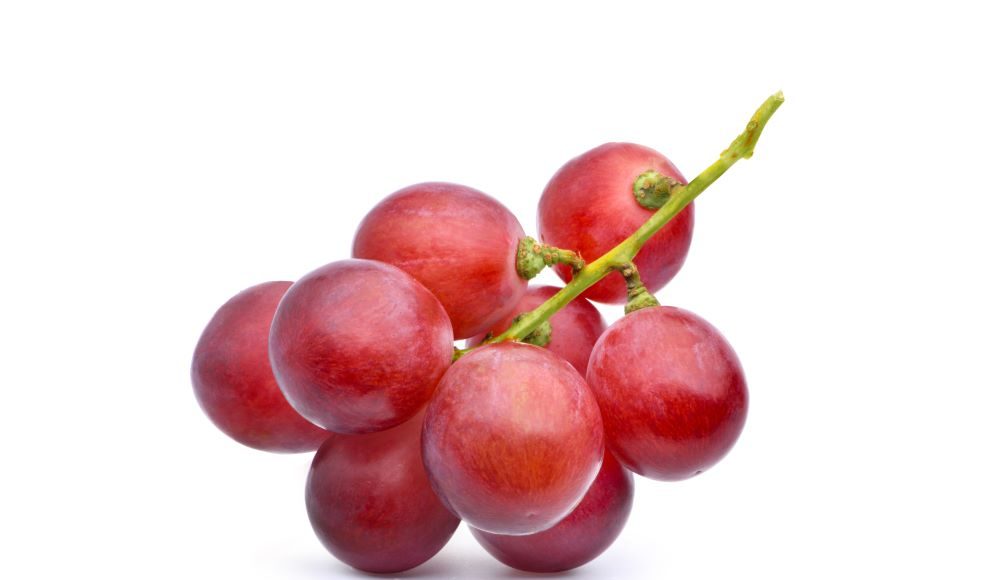
Resveratrol is polyphenol found in the red grape skin, some berries, and peanuts. It is technically a phytoalexin, or a compound produced by plants that are actually self-defense mechanisms against parasites, pests, and fungus. Resveratrol is a neuroprotective, anti-inflammatory antioxidant that may benefit the cardiovascular system, help balance blood sugar levels and hormone levels, and fight obesity.
Resveratrol is a PDE4 inhibitor
A study published July 15, 2019 in Neuropharmacology has now discovered that resveratrol also has antidepressant and anti-anxiety effects due to its ability to block an enzyme called PDE4 (phosphodiesterase).
PDE4 is an enzyme which is affected by the body’s release of cortisol during stress responses, associated with anxiety and depression. The researchers studied the brains of mice and confirmed that increasing PDE4 caused behaviors indicative of depression and anxiety.
PDE4 can influence cell functions from division, motility, and even the cell life cycle through its ability to lower cAMP (cyclic adenosine monophosphate, a signaling messenger in the brain). Additionally, the brains of mice which had an increase of PDE4 showed alterations in the hippocampus region, due to the effects of corticosterone. Cells were significantly damaged by the stress hormones.
Resveratrol blocks PDE4 and relieved the symptoms of depression and anxiety, as well as improving viability of the cells that were damaged because of the cortisol increases associated with the models of anxiety and depression.
One of the best sources of resveratrol is red wine–but drinking alcohol can be a risk-factor for some diseases and can be habit-forming, so drink red wine at your discretion. For those who avoid alcohol, many resveratrol supplements are available.
Resveratrol supplements often don’t have the best absorption rate, so I would encourage those looking for the benefits of resveratrol to consider Pterostilbene.
Pterostilbene is a polyphenol and phytoalexin like resveratrol, and is found in high quantities in blueberries, and shares many of the same benefits as resveratrol while having a higher bioavailability and absorption rate.
References
Zhu, Xia, et al. “The Antidepressant- and Anxiolytic-like Effects of Resveratrol: Involvement of Phosphodiesterase-4D Inhibition.” Neuropharmacology, vol. 153, 15 July 2019, pp. 20–31., doi:https://doi.org/10.1016/j.neuropharm.2019.04.022.