

























In the U.S., Memorial Day is fast approaching, and we will soon be gathering with our friends and family in remembrance of those who have served to make the world a better, safer place. Barbeques are synonymous with summer holidays, and I would like to share something with you to keep in mind as we are cooking out.
Have you heard of PAHs or HCAs?
They are compounds that are formed when cooking meats with charring, blackening, or smoking over high temperatures (such as grilling, pan-frying, and meat smoking), and they can cause changes in our DNA which may increase the risk of cancer.
Before you go raiding the fridge and changing your cookout menu, let’s investigate what these compounds mean and how we can lessen their impact.
PAHs are polycyclic aromatic hydrocarbons and HCAs are heterocyclic amines. Both are formed when meat (like muscle meats) are cooked at temperatures over 300° F. When the amino acids, creatine, creatinine, and the sugars in the muscle meat react with high temperatures, HCAs form. When fat and juices from the meat drip onto the grill below, the smoke that goes back up and sticks to the meat contains PAHs. PAHs are interesting because they can also be found as a result of smoking meats, in cigarette smoke, and car exhaust fumes. PAHs cause oxidative stress to the body and are implicated often in carcinogenesis. (Read more about PAHs and oxidative stress and how antioxidants respond to this stress.)
Both HCAs and PAHs are metabolized by enzymes in the body which activates them. These activated forms are genotoxins and are capable of changing DNA in such a way that may increase the risk of cancer.
Animal studies have shown a link between exposure to HCAs and PAHs and cancer. The U.S. National Cancer Institute notes several studies taking place around the world to determine what are safe levels of these compounds for humans. The evidence to date in humans has found that a high intake of barbecued, fried, or well-done meats is associated with increased risks of colorectal, prostate, and pancreatic cancer. It is difficult to ascertain the impact of HCAs and PAHs because it is hard to quantify how much of these people are consuming, but researchers advise being cautious with meat that is cooked in this way.
The level of HCAs and PAHs in meat prepared in these ways also depends on the type of meat, how long it is cooked, and if it is rare, medium, or well-done. Meats that are cooked for long periods of time form more HCAs.
So, how do we have our meat–and eat it too?
Add a marinade: marinades can really decrease your risk of these pesky compounds. Acid-based marinades with lemon/lime juice, vinegar, wine, dark beer, or yogurt can reduce HCAs by up to 99%. Oil based marinades such as olive oil can reduce PAH/HCA formation by around 90%. Marinate for 1-2 hours before cooking.
Add garlic, herbs, and spices: Choosing a marinade with fresh garlic can decrease HCAs by up to 70%! Rosemary can decrease HCAs by 90%. Include basil, sage, thyme, and oregano for added protection.
Use smaller, leaner cuts of meat: Less drippings equals less PAHs
Flip meat over often: this can reduce the HCA formation substantially, rather than just leaving the meat alone on the grill
Avoid prolonged cooking times at very high temperatures
Remove charred portions of meats
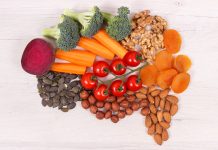
Add fresh vegetables to your grill menu: The antioxidants in fresh produce can help clean up the stress these compounds add to your body
With everything, moderation is key. We can arm ourselves with knowledge and make informed choices without giving up the things we love.
Whether you’re grilling tofu, meat, or pineapple this holiday—I wish you a wonderful weekend!
References
- Eom, Sang-Yong, et al. “Polycyclic Aromatic Hydrocarbon-Induced Oxidative Stress, Antioxidant Capacity, and the Risk of Lung Cancer: A Pilot Nested Case-Control Study.” Anticancer Research, vol. 33, no. 8, pp. 3089–3097., http://ar.iiarjournals.org/content/33/8/3089.full.